
Alan rankle
abstract expressionism
Alan Rankle was born in Oldham, Lancashire, England in
1952. He studied at Rochdale School of Art and Goldsmiths
College, University of London. Later he immersed himself
techniques of 17th century Dutch Masters, the Abstract
Expressionists and the Ch'an (Zen) painters and
calligraphers of China.
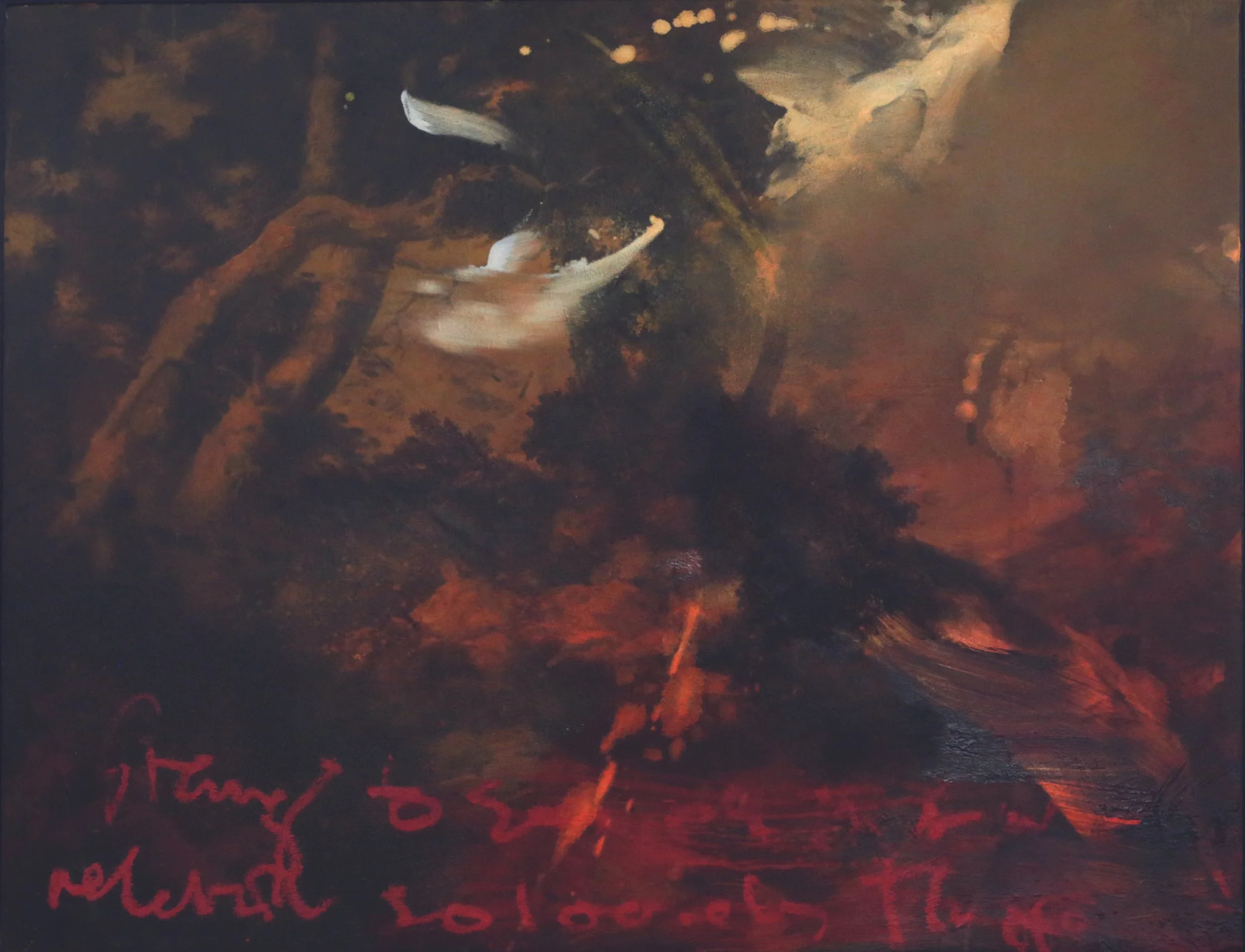
In his current series of paintings, Mothland, Rankle
continues his preoccupation with revitalising the
tradition of landscape art within the context of our post-
industrial, and arguably pre-apocalyptic, world. In recent
works Rankle seems to treat the whole history of landscape
painting as a found object. He fuses aspects of Classical
and Romantic painting with Abstract Expressionistic
gestures.
Alan continues to develop his major themes relating the
idealised tradition of Sublime Romantic landscape art to
the increasingly fragmented, clearly insanely, broken
relationship of our global societies to the natural
environment.
available work
ALAN RANKLE PAINTINGS PASTORAL COLLATERAL
The paintings included in the current collection Untitled Painting I, Calder Valley, Calder Heights and Herne are from an ongoing series Pastoral Collateral begun in 2016 and featured in notable exhibitions in London and Berlin.
In an interview with critic Anna McNay editor of Art Quarterly at the London premier Rankle states:
I wanted to relate ideas about historical, idealised, pastoral landscape in art to the grim reality of the environmental crisis that we are in, which isn’t just an environmental crisis anymore, it’s a totally impregnated social and political crisis heading towards disaster. Considering the historical origins of the genre in relation to my own paintings, I wanted to convey the irony implicit in how the 19th century Romantic movement, with its emphasis on the idyllic natural world.
While the scenic aspects of the imagery, relate to studies from the landscapes of everyday experience, these works are intended to develop themes of flight, escape and renewal related to the fragmented safety and endurance of pastoral landscape.
The conventional historical and literary meaning of the title is framed by a dreadful irony in the context of Modern Times.
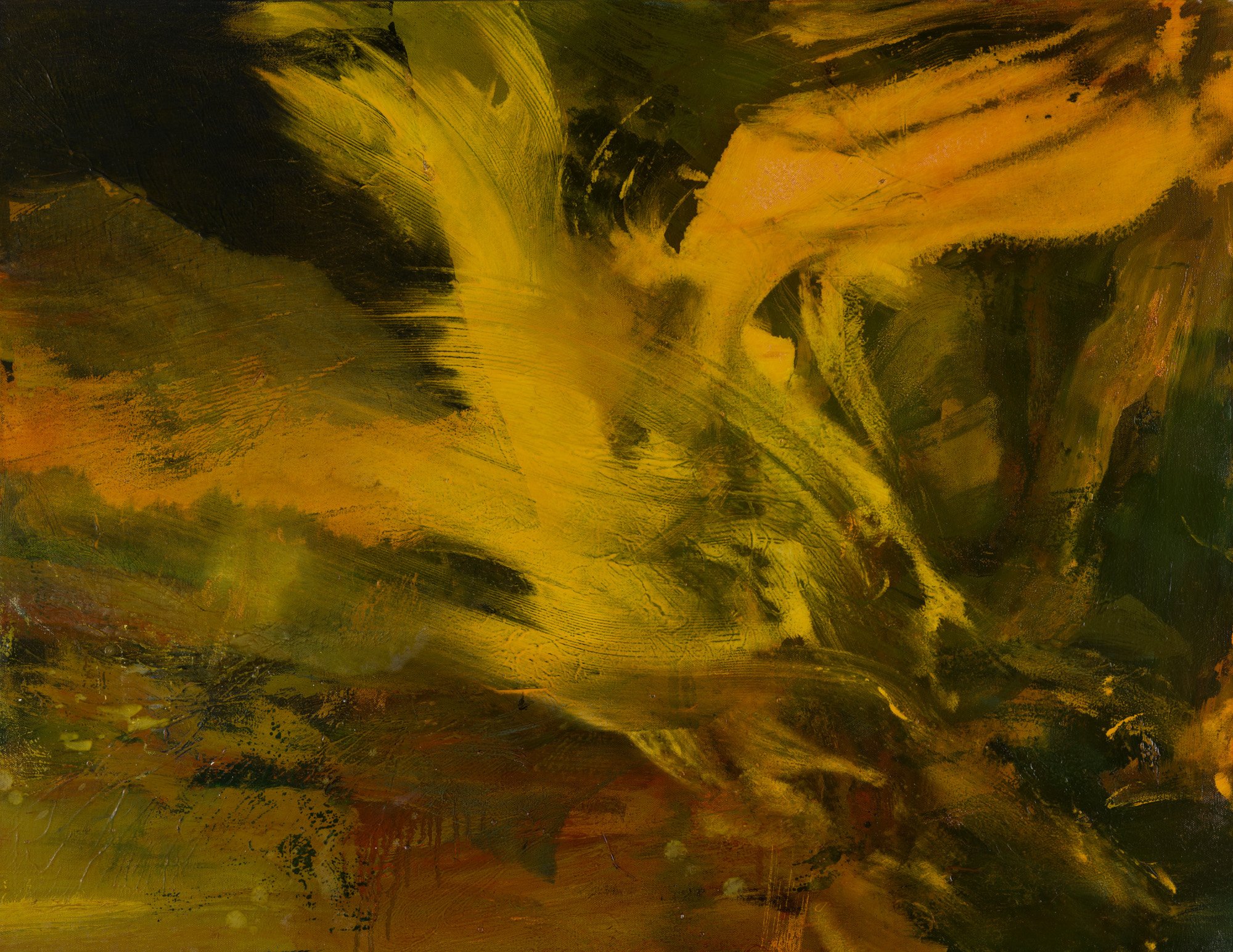
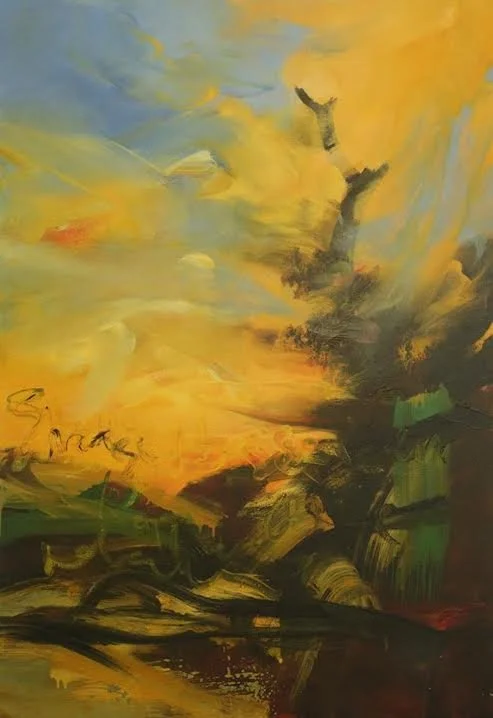
Alan Rankle Calder Heights Study IV 2019
Oils on canvas
100x80cm

Alan Rankle Untitled Painting XXVIII
(Calder Heights) 2019 oils on canvas 100x100cm

Alan Rankle Study for Exodus 2025
Oils on canvas 91x107cm £15,000.jpg.png

Alan Rankle
Untitled Painting (Herne) 150x200cm
Oils on canvas £28,000
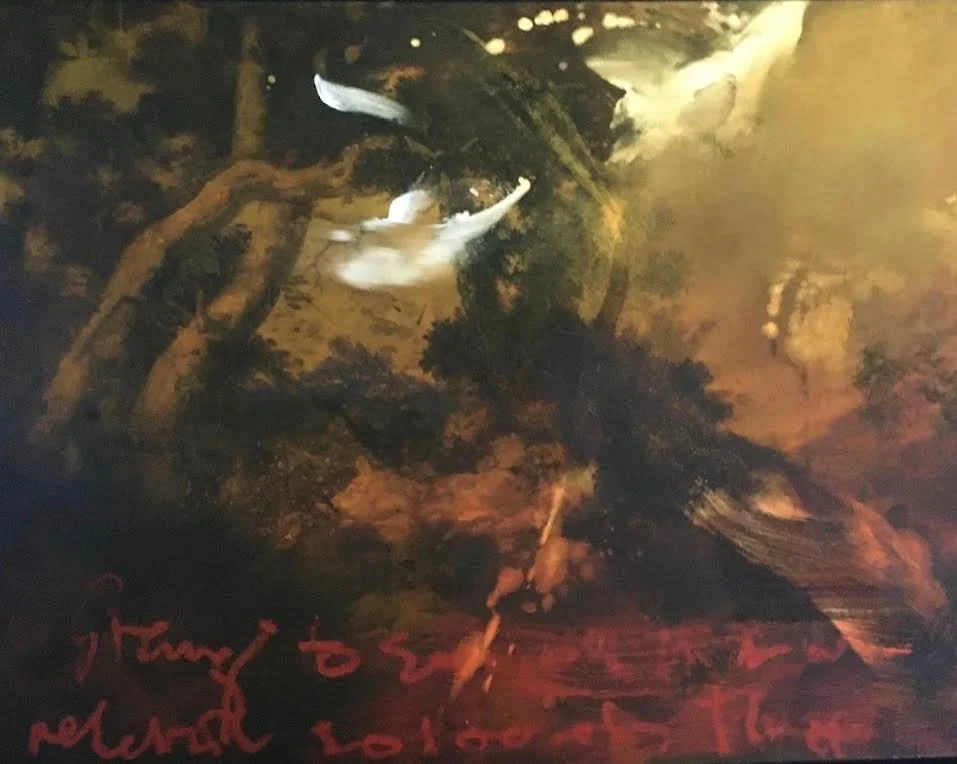
Alan Rankle
Untitled (Herne Study II) 2015
Oils, pigmented inkjet on canvas 66x88cm